


 +359 878 878 155
07 CERAMIC
Ceramic Beads Wholesale — Hand-Painted Glazed Ceramic Jewellery Beads
Bijuland — a wholesale bead and craft supplier based in Plovdiv, Bulgaria — stocks ceramic beads (керамични мъниста — keramichni manista): beads made from natural clay fired at high temperature — heavier and denser than polymer clay, with a typically hand-painted or glazed surface. Ceramic beads have an earthy, artisan aesthetic associated with ethnic, bohemian, and folk jewellery styles. Available in a Big Package and a Small Package. Bijuland ships from Plovdiv and serves jewellery makers, craft studios, and bead resellers across Bulgaria and Europe.
-
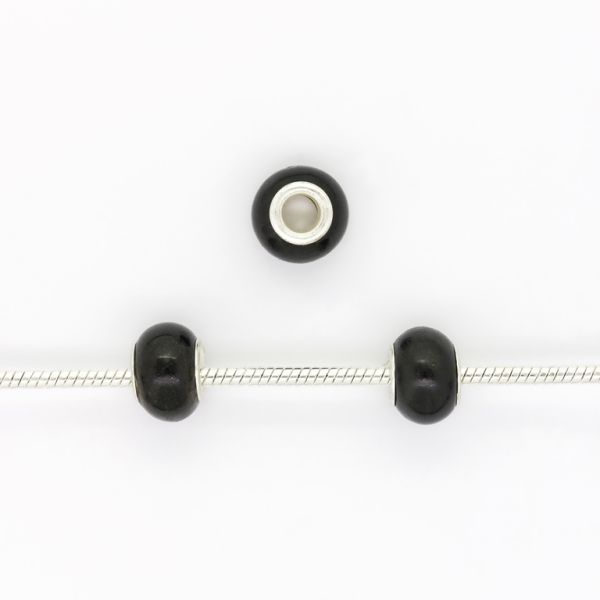
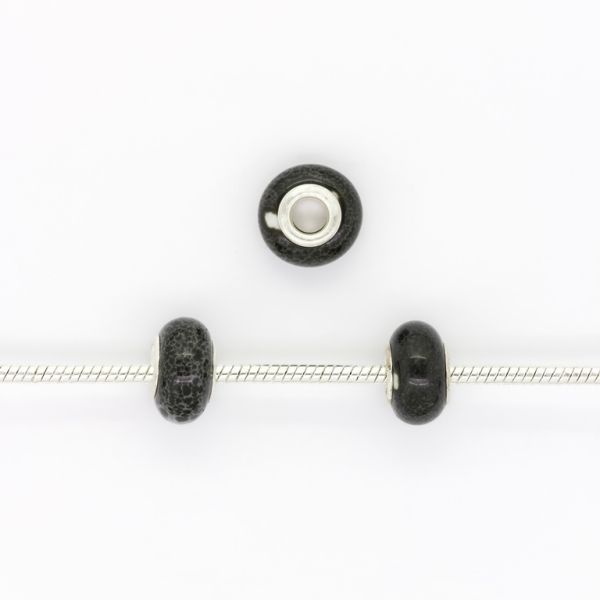
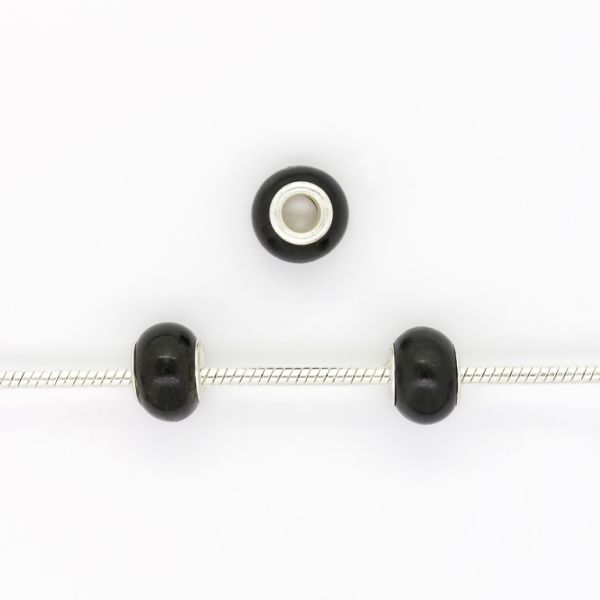 PANDORA TYPE BEADS - CERAMIC - CIRCLE - 14x10mm BLACK 48 - 5pcs. Hole-5.0mmCode: 1202070048-8Price: €0.77
In stock
-
PANDORA TYPE BEADS - CERAMIC - CIRCLE - 14x10mm BLACK 48 - PACKAGE 50pcs. Hole-5.0mmCode: 1202070048-1Price: €5.11
In stock
-
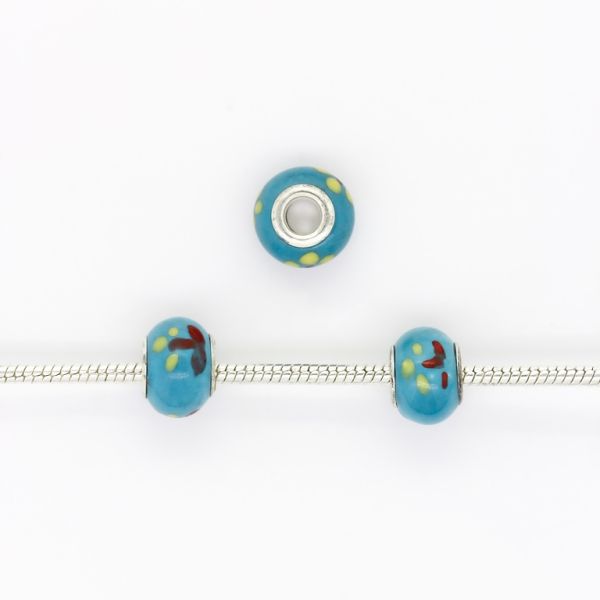
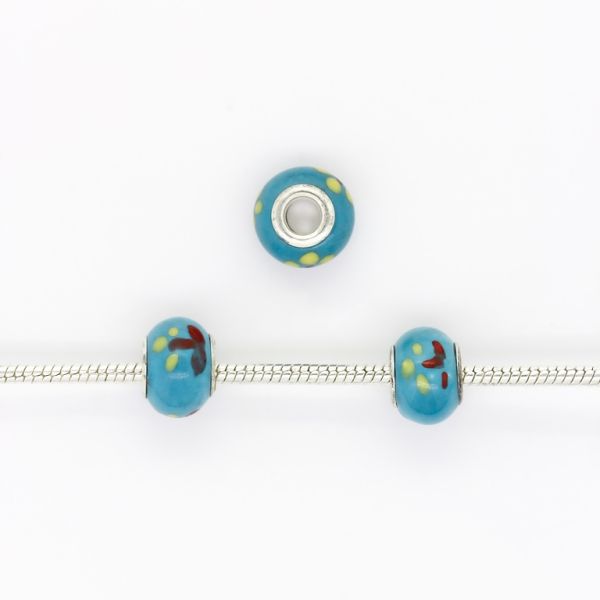 PANDORA TYPE BEADS - CERAMIC - CIRCLE - 14x10mm BLUE-RED-YELLOW 41 - 5pcs. Hole-5.0mmCode: 1202070041-8Price: €0.77
In stock
-
PANDORA TYPE BEADS - CERAMIC - CIRCLE - 14x10mm BLUE-RED-YELLOW 41 - PACKAGE 50pcs. Hole-5.0mmCode: 1202070041-1Price: €5.11
In stock
-
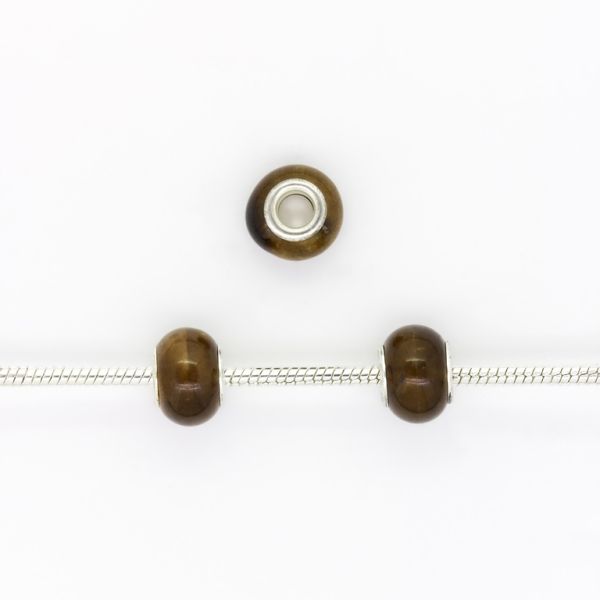
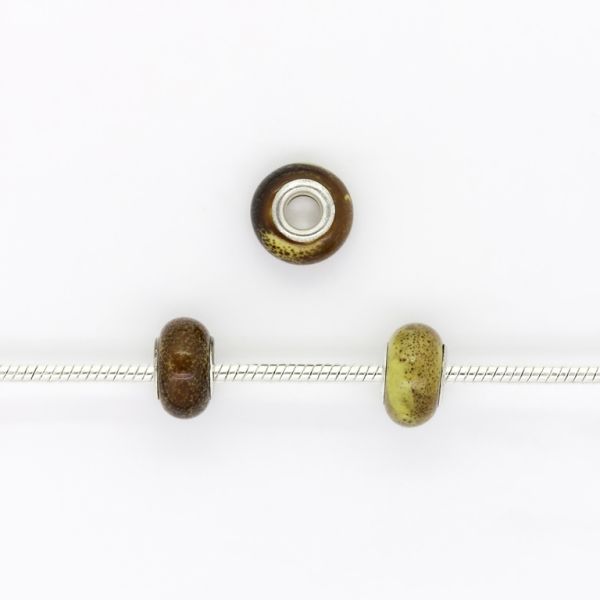
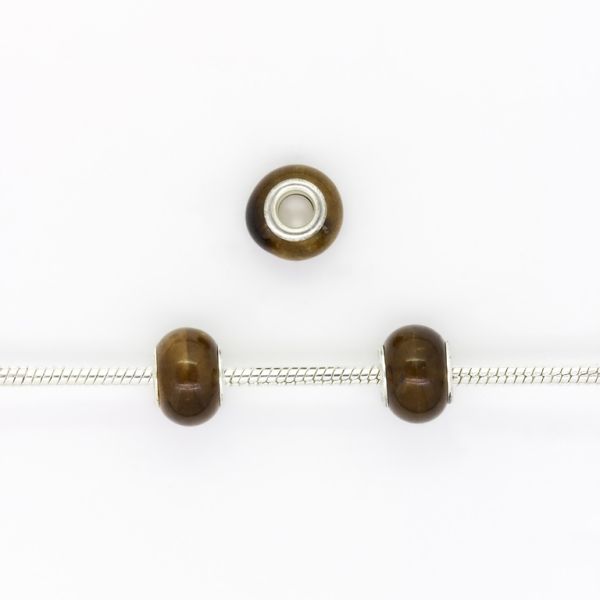 PANDORA TYPE BEADS - CERAMIC - CIRCLE - 14x10mm BROWN (LIGHT)-BROWN (DARK) 10 - 5pcs. Hole-5.0mmCode: 1202070010-8Price: €0.77
In stock
-
PANDORA TYPE BEADS - CERAMIC - CIRCLE - 14x10mm BROWN (LIGHT)-BROWN (DARK) 10 - PACKAGE 50pcs. Hole-5.0mmCode: 1202070010-1Price: €5.11
In stock
-
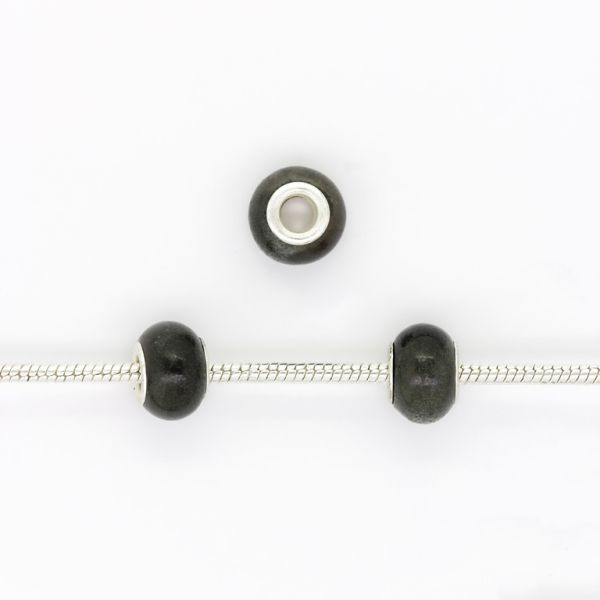 PANDORA TYPE BEADS - CERAMIC - CIRCLE - 14x10mm GREEN (DARK)-GRAY 49 - 5pcs. Hole-5.0mmCode: 1202070049-8Price: €0.77
In stock
-
PANDORA TYPE BEADS - CERAMIC - CIRCLE - 14x10mm GREEN (DARK)-GRAY 49 - PACKAGE 50pcs. Hole-5.0mmCode: 1202070049-1Price: €5.11
In stock
-
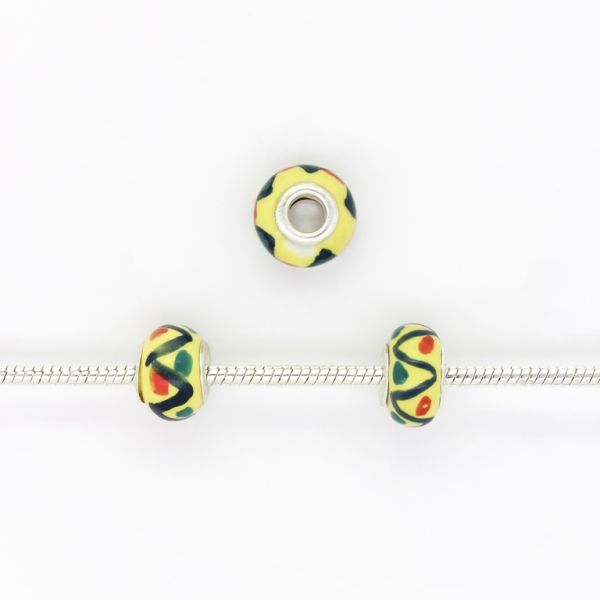
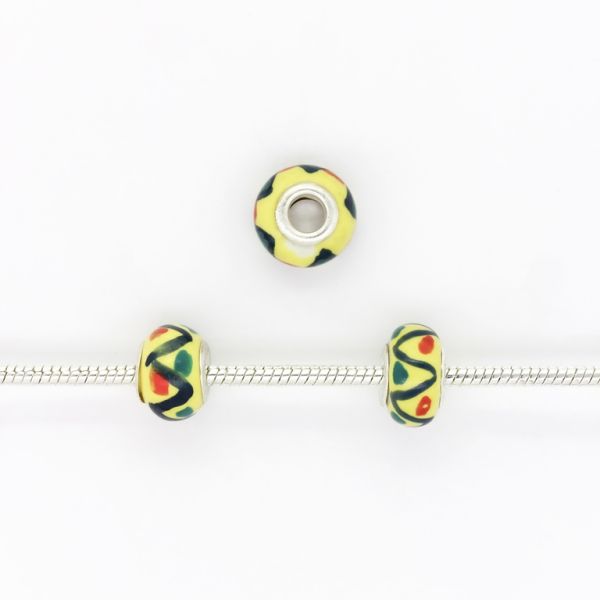 PANDORA TYPE BEADS - CERAMIC - CIRCLE - 14x10mm YELLOW-BLACK-GREEN (DARK)-ORANGE (DARK) 27 - 5pcs. Hole-5.0mmCode: 1202070027-8Price: €0.77
In stock
-
PANDORA TYPE BEADS - CERAMIC - CIRCLE - 14x10mm YELLOW-BLACK-GREEN (DARK)-ORANGE (DARK) 27 - PACKAGE 50pcs. Hole-5.0mmCode: 1202070027-1Price: €5.11
In stock
-
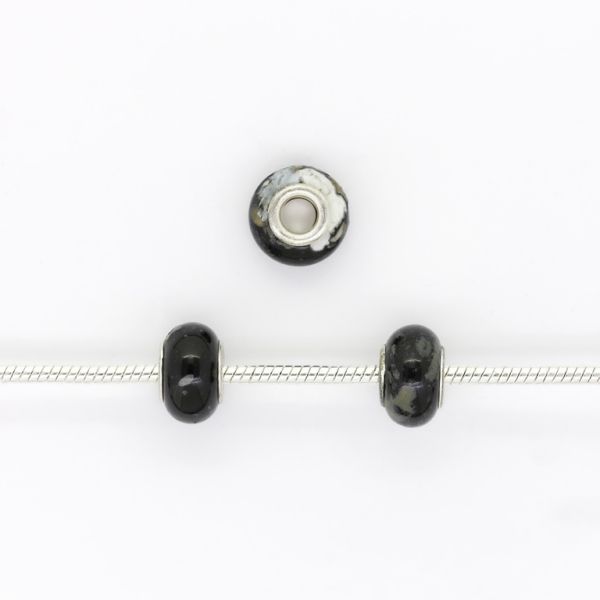
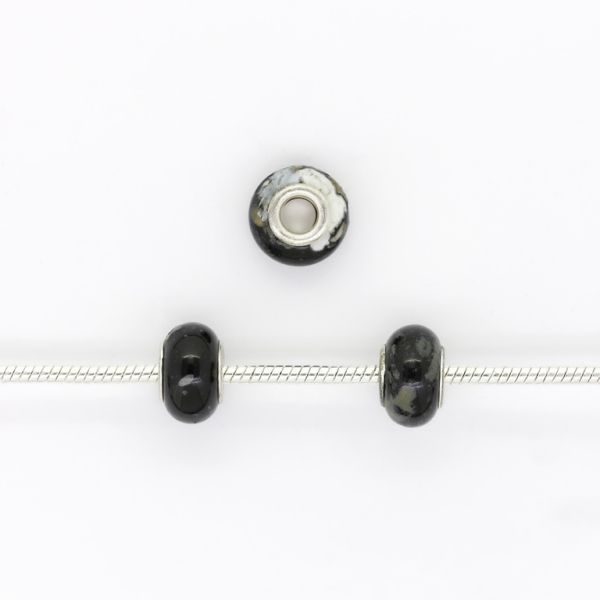 PANDORA TYPE BEADS - CERAMIC - CIRCLE - 14x9mm BLACK-BROWN-GRAY 16 - 5pcs. Hole-5.0mmCode: 1202070016-8Price: €0.77
In stock
-
PANDORA TYPE BEADS - CERAMIC - CIRCLE - 14x9mm BLACK-BROWN-GRAY 16 - PACKAGE 50pcs. Hole-5.0mmCode: 1202070016-1Price: €5.11
In stock
-
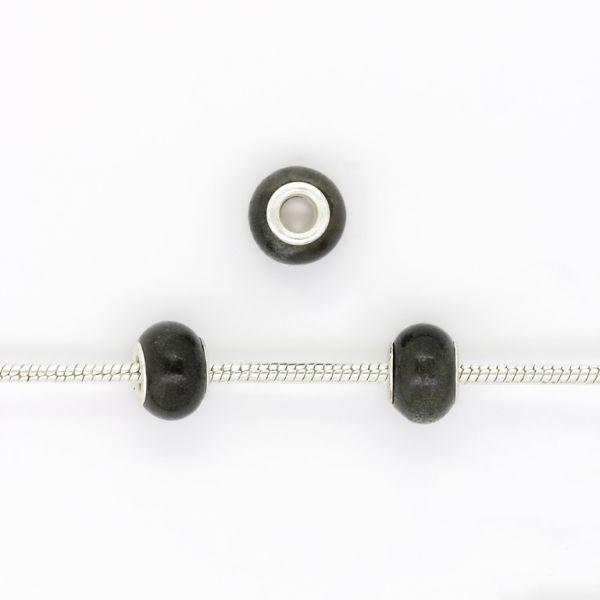
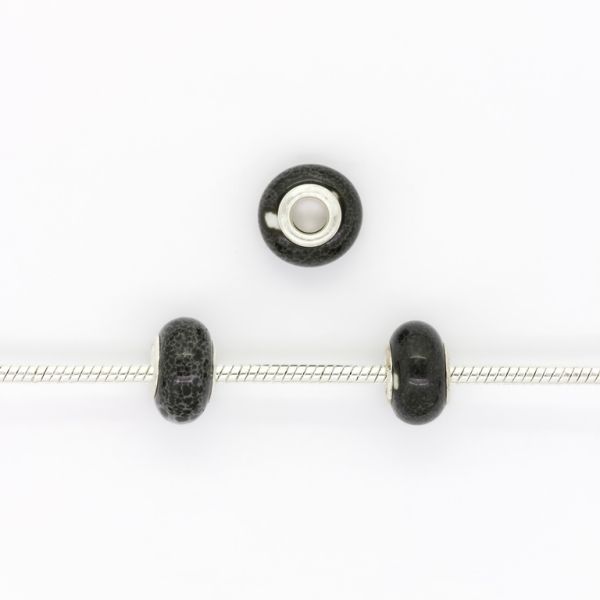 Price: €0.77
In stock
-
PANDORA TYPE BEADS - CERAMIC - CIRCLE - 14x9mm BLACK-GRAY 50 - PACKAGE 50pcs. Hole-5.0mmCode: 1202070050-1Price: €5.11
In stock
-
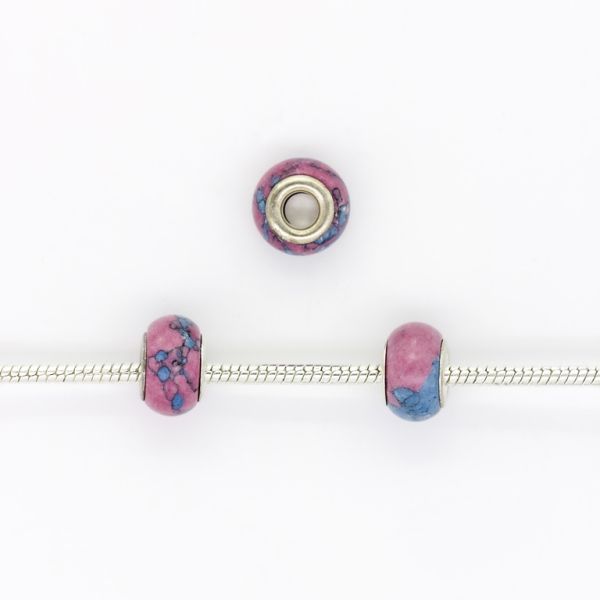
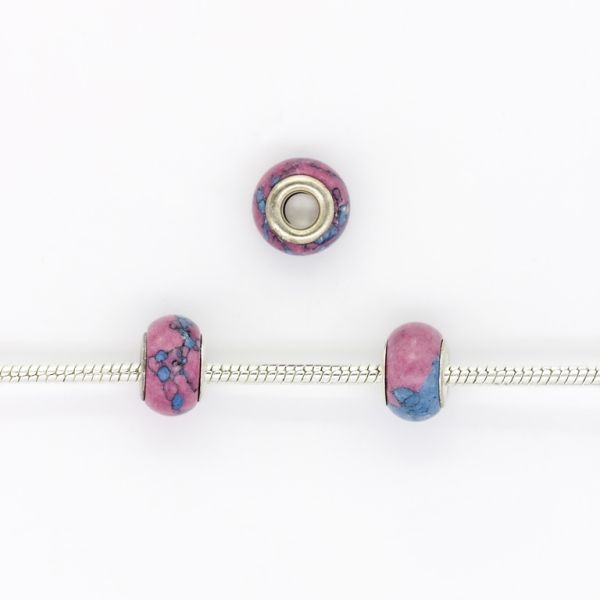 PANDORA TYPE BEADS - CERAMIC - CIRCLE - 14x9mm BLUE-PINK (DARK) 29 - 5pcs. Hole-5.0mmCode: 1202070029-8Price: €0.77
In stock
-
PANDORA TYPE BEADS - CERAMIC - CIRCLE - 14x9mm BLUE-PINK (DARK) 29 - PACKAGE 50pcs. Hole-5.0mmCode: 1202070029-1Price: €5.11
In stock
-
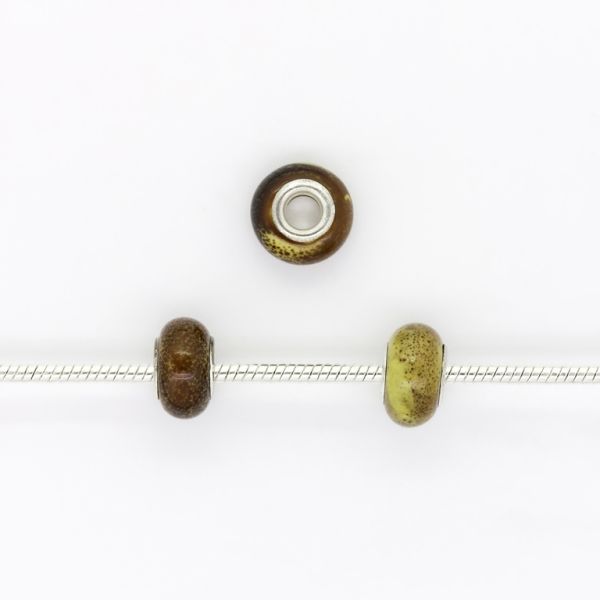 PANDORA TYPE BEADS - CERAMIC - CIRCLE - 14x9mm GREEN (LIGHT)-GREEN MILITARY 20 - 5pcs. Hole-5.0mmCode: 1202070020-8Price: €0.77
In stock
-
PANDORA TYPE BEADS - CERAMIC - CIRCLE - 14x9mm GREEN (LIGHT)-GREEN MILITARY 20 - PACKAGE 50pcs. Hole-5.0mmCode: 1202070020-1Price: €5.11
In stock
-
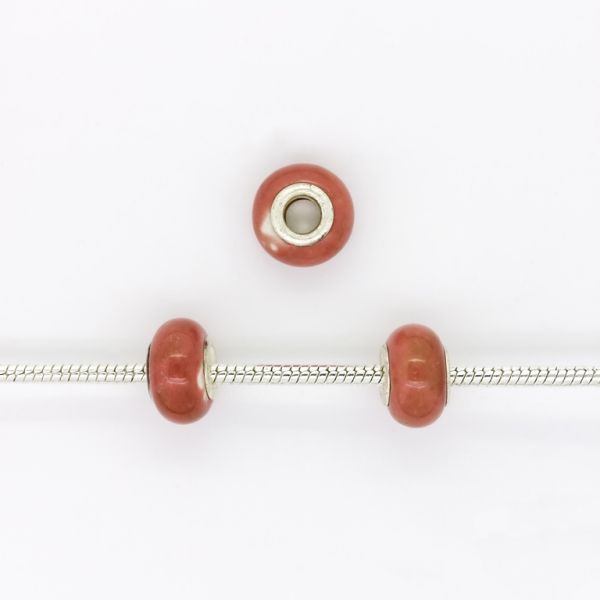
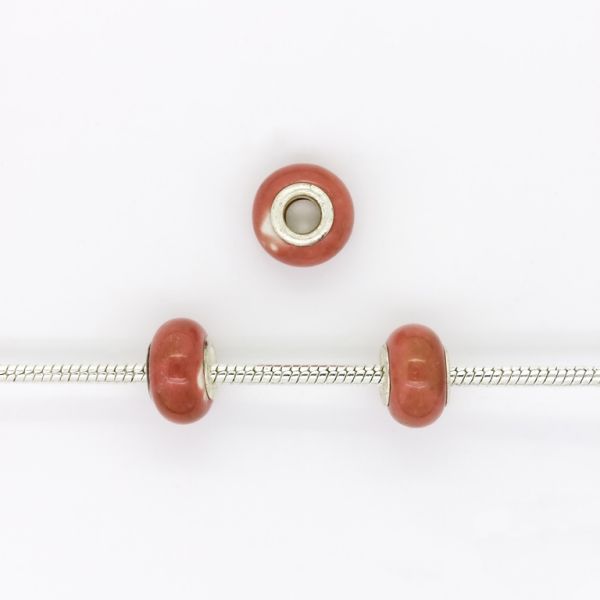 PANDORA TYPE BEADS - CERAMIC - CIRCLE - 14x9mm PEACH (DARK) 18 - 5pcs. Hole-5.0mmCode: 1202070018-8Price: €0.77
In stock
-
PANDORA TYPE BEADS - CERAMIC - CIRCLE - 14x9mm PEACH (DARK) 18 - PACKAGE 50pcs. Hole-5.0mmCode: 1202070018-1Price: €5.11
In stock
-
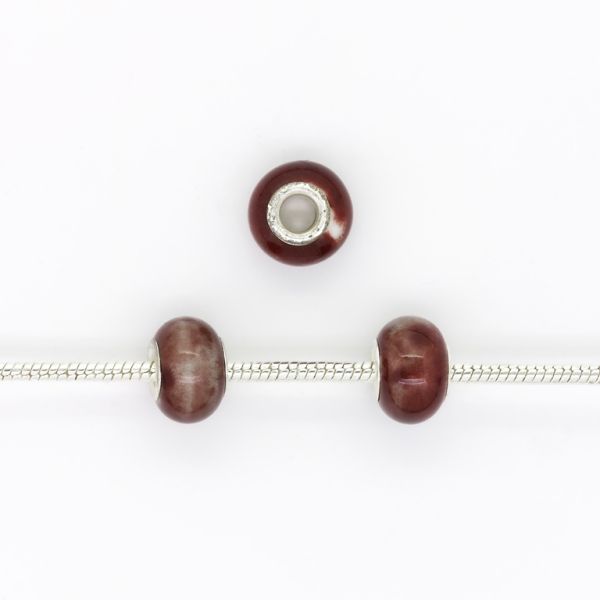
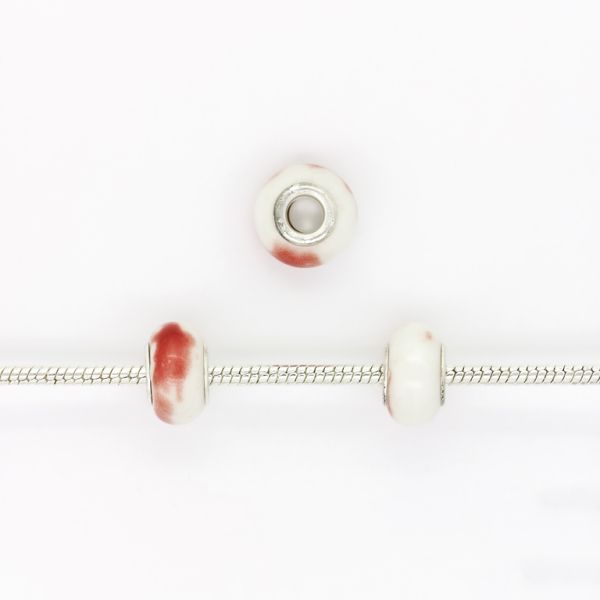
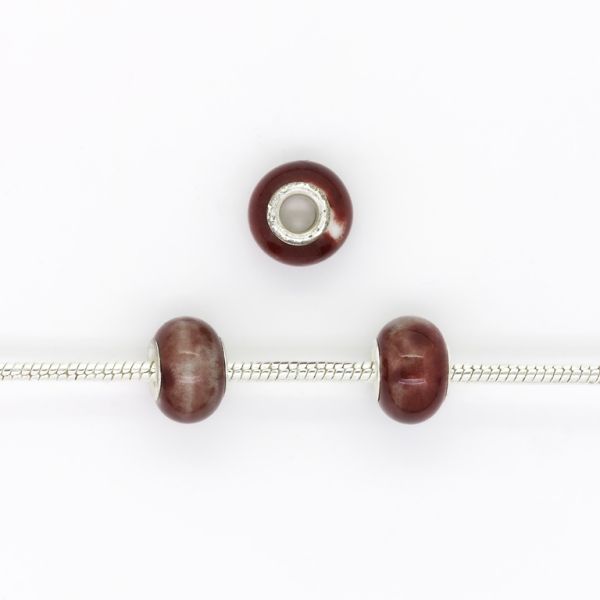 PANDORA TYPE BEADS - CERAMIC - CIRCLE - 14x9mm RED (DARK)-WHITE 19 - 5pcs. Hole-5.0mmCode: 1202070019-8Price: €0.77
In stock
-
PANDORA TYPE BEADS - CERAMIC - CIRCLE - 14x9mm RED (DARK)-WHITE 19 - PACKAGE 50pcs. Hole-5.0mmCode: 1202070019-1Price: €5.11
In stock
-
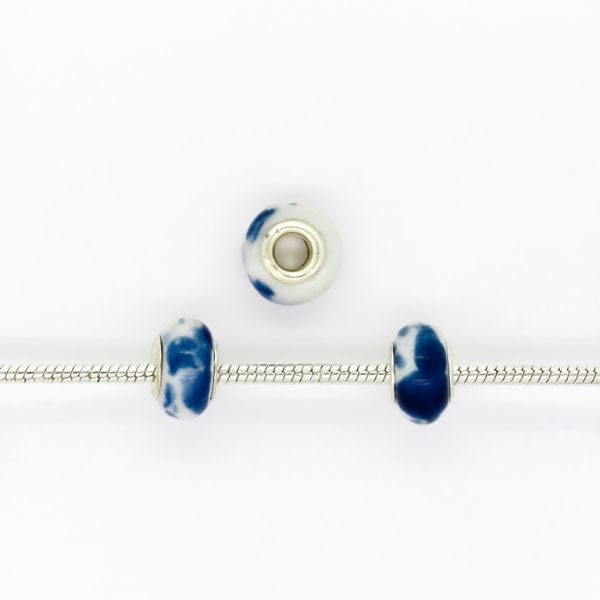
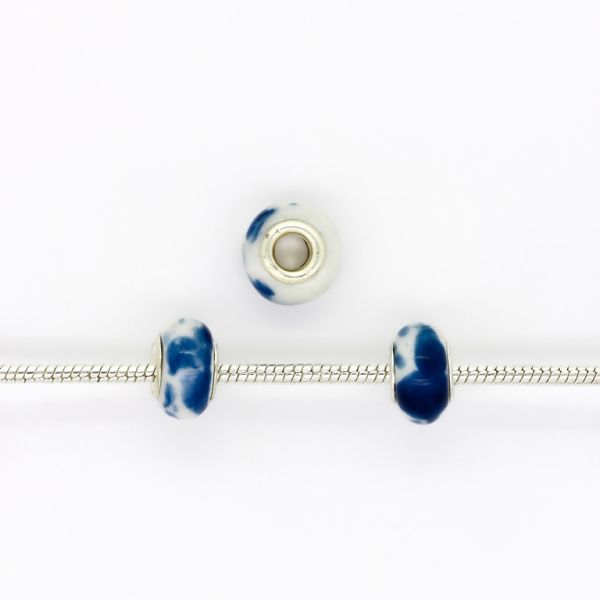 PANDORA TYPE BEADS - CERAMIC - CIRCLE - 14x9mm WHITE-BLUE (DARK) 32 - 5pcs. Hole-5.0mmCode: 1202070032-8Price: €0.77
In stock
-
PANDORA TYPE BEADS - CERAMIC - CIRCLE - 14x9mm WHITE-BLUE (DARK) 32 - PACKAGE 50pcs. Hole-5.0mmCode: 1202070032-1Price: €5.11
In stock
-
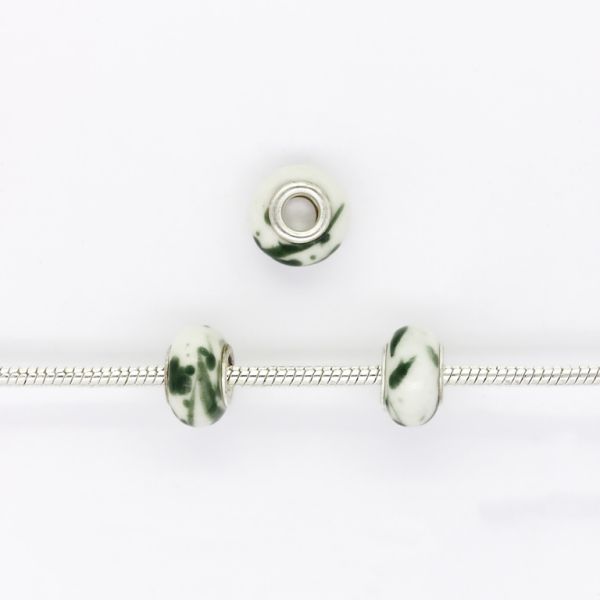
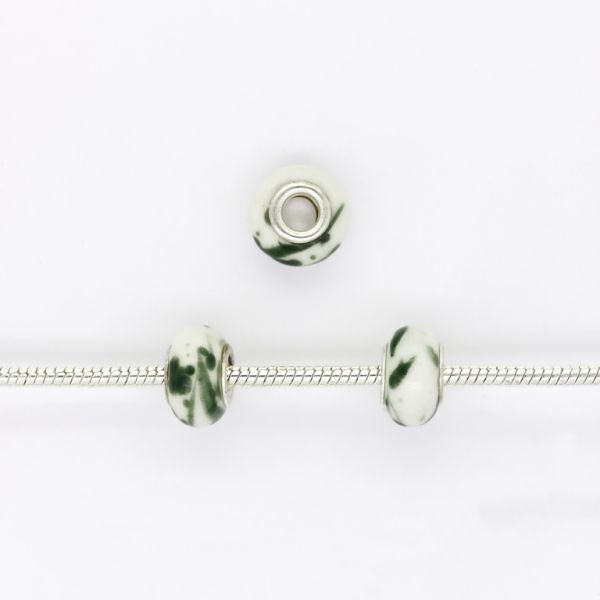 PANDORA TYPE BEADS - CERAMIC - CIRCLE - 14x9mm WHITE-GREEN MILITARY (DARK) 14 - 5pcs. Hole-5.0mmCode: 1202070014-8Price: €0.77
In stock
-
PANDORA TYPE BEADS - CERAMIC - CIRCLE - 14x9mm WHITE-GREEN MILITARY (DARK) 14 - PACKAGE 50pcs. Hole-5.0mmCode: 1202070014-1Price: €5.11
In stock
-
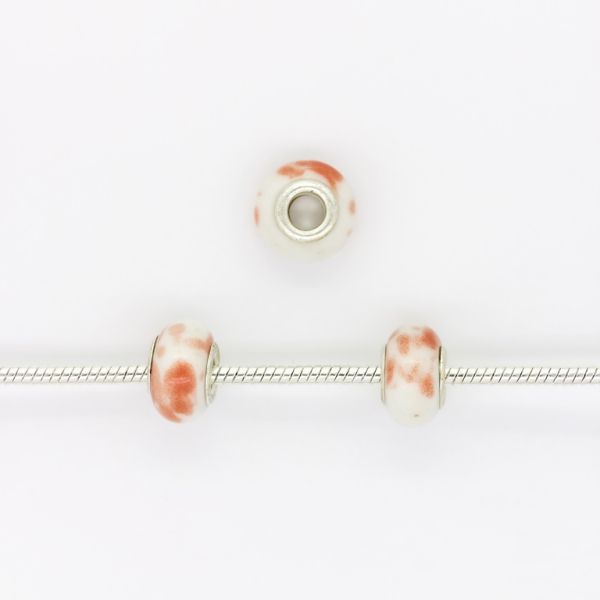
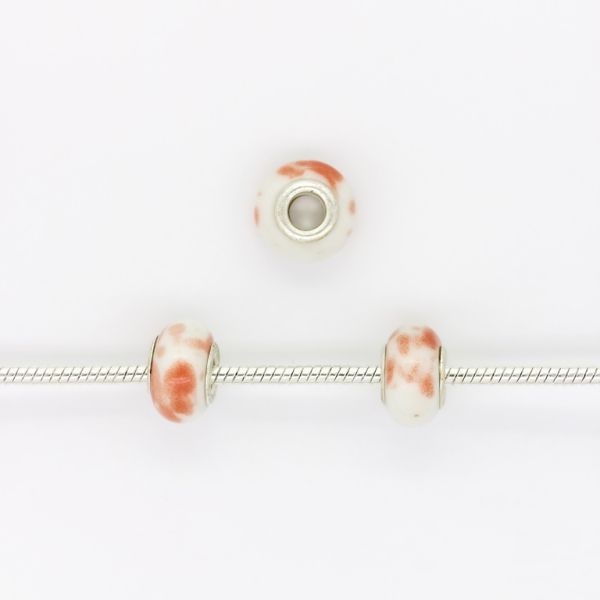 PANDORA TYPE BEADS - CERAMIC - CIRCLE - 14x9mm WHITE-ORANGE 36 - 5pcs. Hole-5.0mmCode: 1202070036-8Price: €0.77
In stock
-
PANDORA TYPE BEADS - CERAMIC - CIRCLE - 14x9mm WHITE-ORANGE 36 - PACKAGE 50pcs. Hole-5.0mmCode: 1202070036-1Price: €5.11
In stock
-
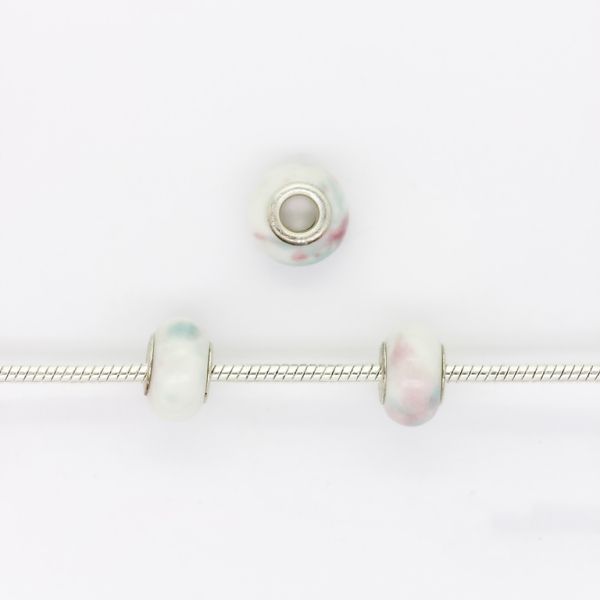
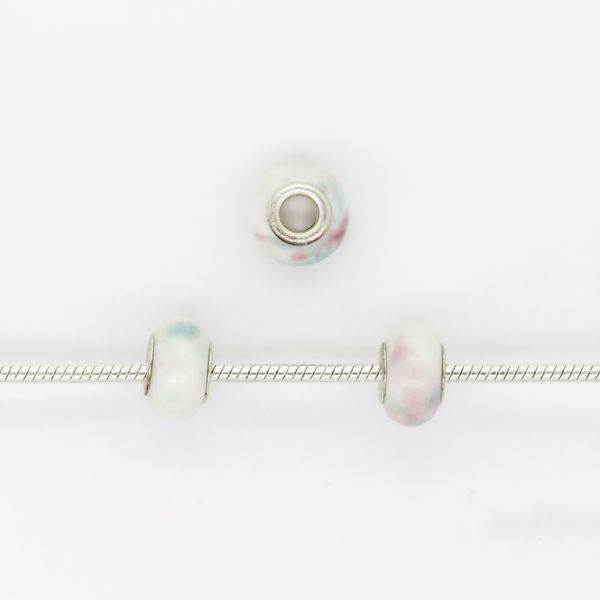 PANDORA TYPE BEADS - CERAMIC - CIRCLE - 14x9mm WHITE-PINK-PINK (DARK)-TURQUOISE (LIGHT) 45 - 5pcs. Hole-5.0mmCode: 1202070045-8Price: €0.77
In stock
-
PANDORA TYPE BEADS - CERAMIC - CIRCLE - 14x9mm WHITE-PINK-PINK (DARK)-TURQUOISE (LIGHT) 45 - PACKAGE 50pcs. Hole-5.0mmCode: 1202070045-1Price: €5.11
In stock
-
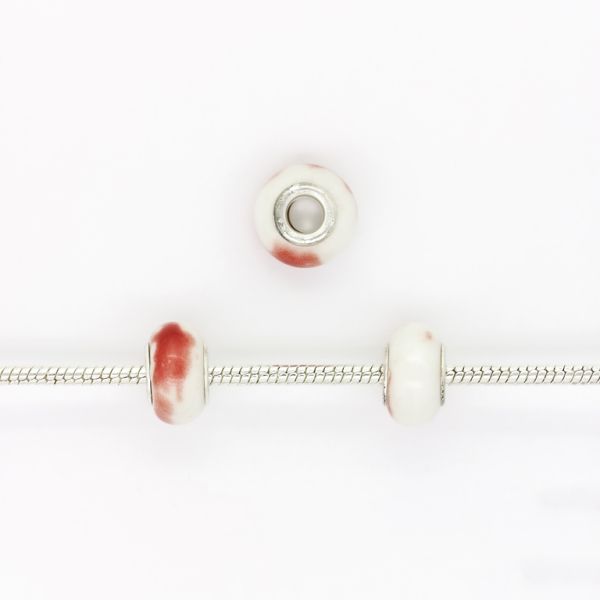 PANDORA TYPE BEADS - CERAMIC - CIRCLE - 14x9mm WHITE-RED (LIGHT) 42 - 5pcs. Hole-5.0mmCode: 1202070042-8Price: €0.77
In stock
-
PANDORA TYPE BEADS - CERAMIC - CIRCLE - 14x9mm WHITE-RED (LIGHT) 42 - PACKAGE 50pcs. Hole-5.0mmCode: 1202070042-1Price: €5.11
In stock
Bijuland is a wholesale bead and craft materials supplier based in Plovdiv, Bulgaria. The Ceramic Beads category (керамични мъниста — keramichni manista) covers beads made from fired natural clay — used in ethnic, bohemian, and artisan jewellery. Available in a Big Package and a Small Package, with wholesale shipping across Bulgaria and Europe.
What are ceramic beads?
Ceramic beads (керамични мъниста — keramichni manista) are beads made from natural clay that has been shaped, dried, and fired in a kiln at high temperature — producing a hard, dense, non-porous bead body of genuine fired ceramic. This distinguishes them from polymer clay (PVC-based, baked at low temperature in a domestic oven) and from glass or acrylic: ceramic beads are made from the same natural clay material as pottery and tiles, fired to the same structural hardness as ceramicware. The firing process produces a bead with a matte, earthy surface in its unfired state — decoration is applied either before firing (underglaze, engobe) or after firing (overglaze, hand-painted decoration), and a glaze layer can be applied and re-fired to produce a glossy, glass-like surface over the painted decoration. The result is typically a bead with a painted, patterned, or glazed surface with visible brushstroke character — flowers, geometric patterns, folk motifs, and abstract colour fields are common decorative styles. Ceramic beads are heavier than polymer clay or acrylic beads of the same size, with a density and tactile hardness that gives them a quality, material feel when handled. They are associated with ethnic jewellery traditions worldwide — Peruvian ceramic beads, Moroccan blue-and-white pottery beads, Chinese porcelain-style ceramic beads, and hand-painted folk jewellery beads from many cultures all use the same fundamental ceramic bead format.
How are ceramic beads used in jewellery?
Ceramic beads are used in jewellery where a natural, earthy, handcrafted aesthetic is the design intention — their clay origin and hand-decorated surface give them a visibly artisan, non-industrial quality that synthetic beads cannot replicate. In ethnic and folk jewellery, ceramic beads with painted folk motifs, geometric patterns, or traditional decorative styles are the defining bead material — the visible hand-painting and glaze variation from bead to bead is part of the jewellery's identity. In bohemian and artisan jewellery, ceramic beads are mixed with natural stone, wood, and cord in multi-material designs where each material contributes its specific natural character. In statement necklaces, large hand-painted ceramic beads serve as bold, colourful focal elements with an immediately distinctive artisan quality. Natural variation in glaze, colour, and surface between individual ceramic beads is a characteristic feature — like natural stone, no two ceramic beads from a hand-made batch are identical. Bijuland ships from Plovdiv, Bulgaria and supplies jewellery makers, craft studios, and bead resellers across Bulgaria and Europe.