


 +359 878 878 155
02 BEADS
Polymer Clay Beads Wholesale — Fimo Clay Beads for Stringing
Bijuland — a wholesale bead and craft supplier based in Plovdiv, Bulgaria — stocks polymer clay beads (мъниста от фимо — manista ot fimo): pre-made beads formed from polymer clay (Fimo or equivalent) — shaped, baked, and finished with a threading hole for stringing on cord, elastic, or beading wire. Unlike Fimo pendants, which hang from a bail, these are stringing beads used in bracelets and necklaces alongside other bead types. Available in a range of shapes, colours, and decorative motifs. Bijuland ships from Plovdiv and serves jewellery makers, craft studios, and craft supply resellers across Bulgaria and Europe.
-
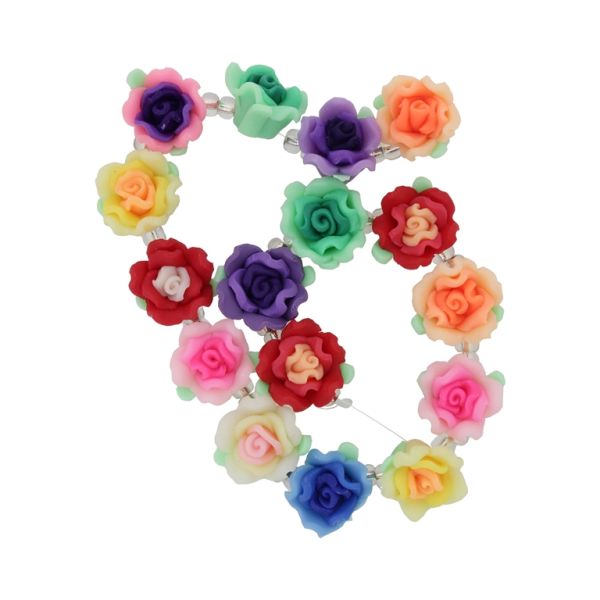
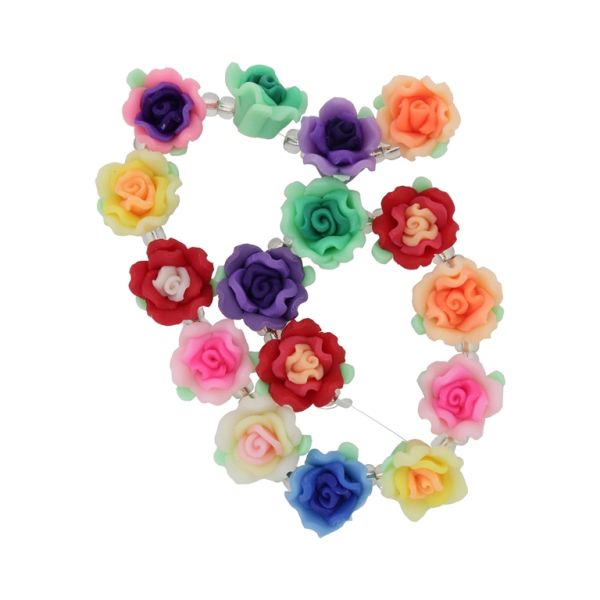 POLYMER CLAY FIMO BEADS - 3D - ROSE MIX 01 - 15x11mm - MIX RAINBOW - 16pcs. Hole-1.0mmCode: 0502000230-8Price: €1.53
In stock
-
POLYMER CLAY FIMO BEADS - 3D - ROSE MIX 01 - 15x11mm - MIX RAINBOW - PACKAGE (6x16pcs.) Hole-1.0mmCode: 0502000230-1Price: €6.14
In stock
-
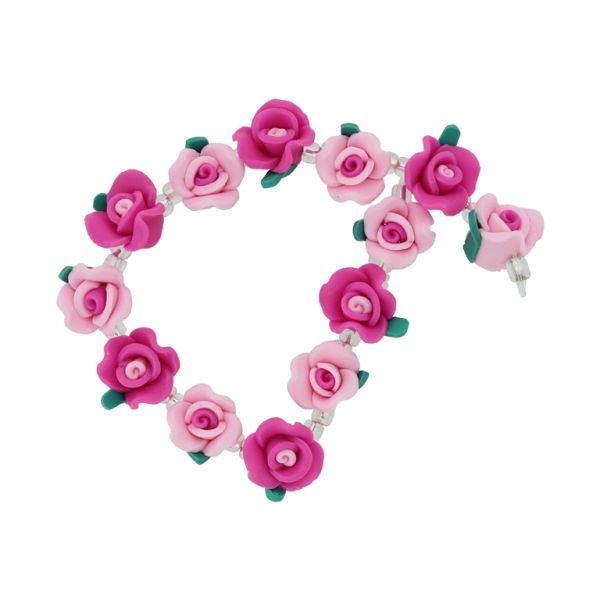
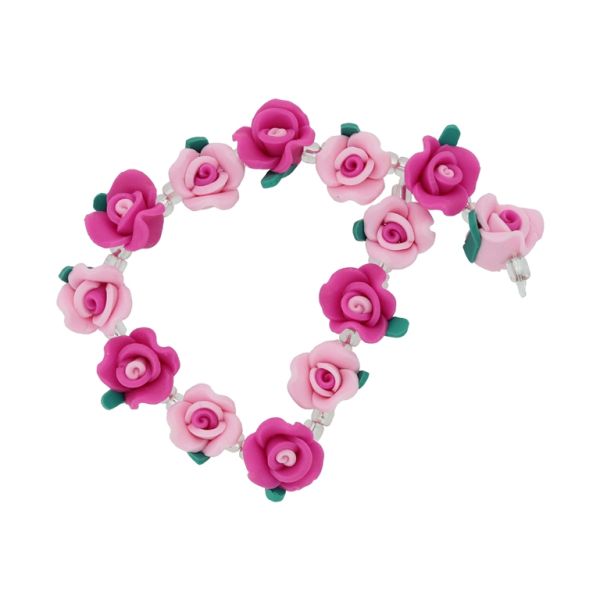 POLYMER CLAY FIMO BEADS - 3D - ROSE MIX 02 - 15x11mm - PINK-CYCLAMEN - 13pcs. Hole-1.0mmCode: 0502000231-8Price: €0.92
In stock
-
POLYMER CLAY FIMO BEADS - 3D - ROSE MIX 02 - 15x11mm - PINK-CYCLAMEN - PACKAGE (10x13pcs.) Hole-1.0mmCode: 0502000231-1Price: €6.14
In stock
-
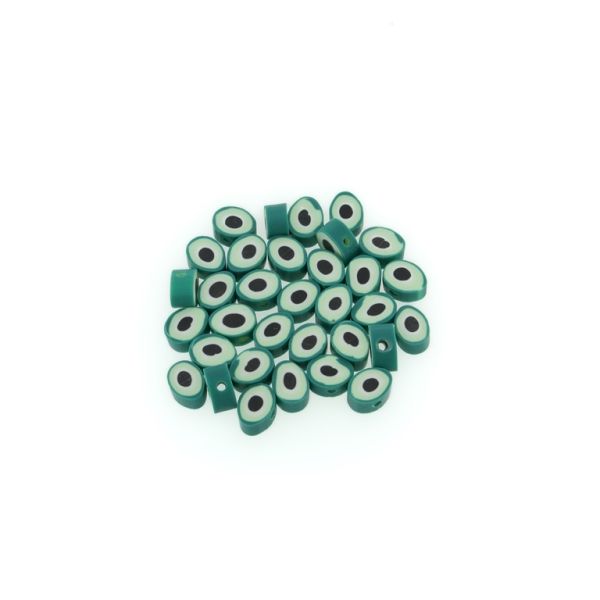
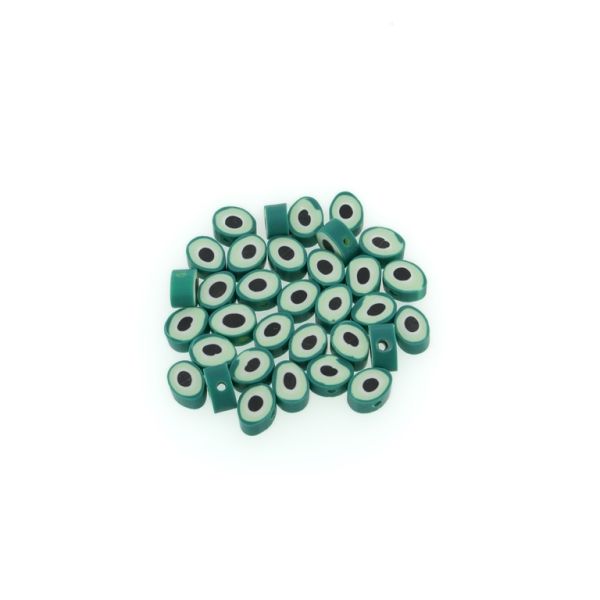 POLYMER CLAY FIMO BEADS - AVOCADO 01 - 7x9mm GREEN (DARK)-RESEDA-WHITE-BLACK - 50pcs. Hole-1.6mmCode: 0502000192-8Price: €1.28
In stock
-
POLYMER CLAY FIMO BEADS - AVOCADO 01 - 7x9mm GREEN (DARK)-RESEDA-WHITE-BLACK - PACKAGE 990pcs. Hole-1.6mmCode: 0502000192-1Price: €14.32
In stock
-
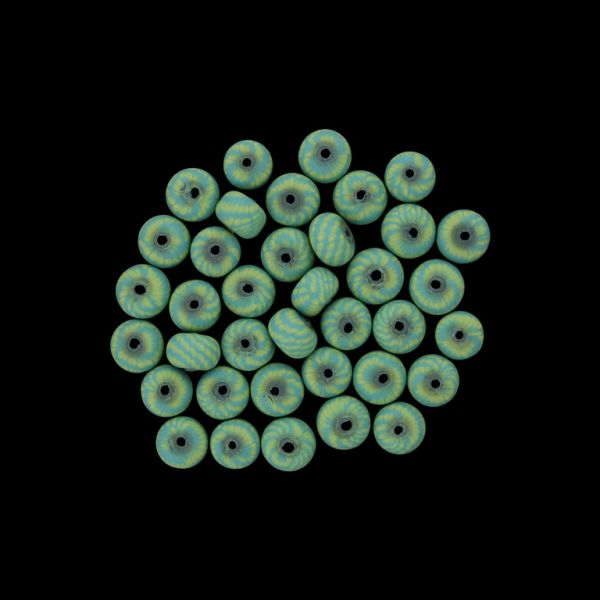
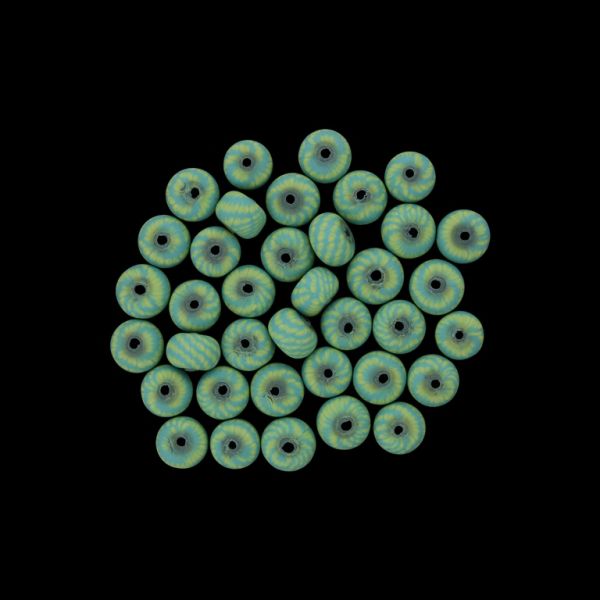 POLYMER CLAY FIMO BEADS - BALL FLAT - DOTS 01 - 6x10mm TURQUOISE-YELLOW - 50pcs. Hole-1.8mmCode: 0502000260-8Price: €1.02
In stock
-
POLYMER CLAY FIMO BEADS - BALL FLAT - DOTS 01 - 6x10mm TURQUOISE-YELLOW - PACKAGE 500pcs. Hole-1.8mmCode: 0502000260-1Price: €6.39
In stock
-
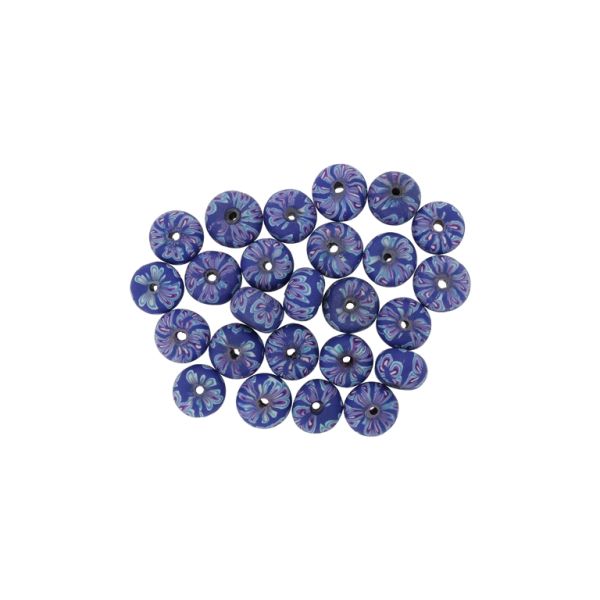
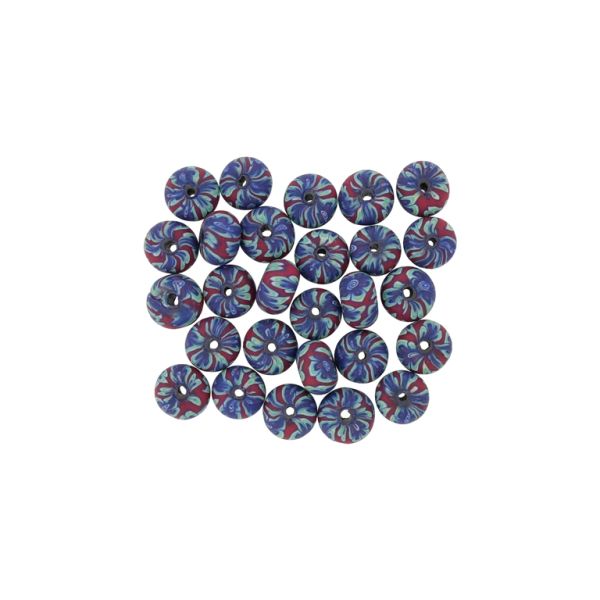
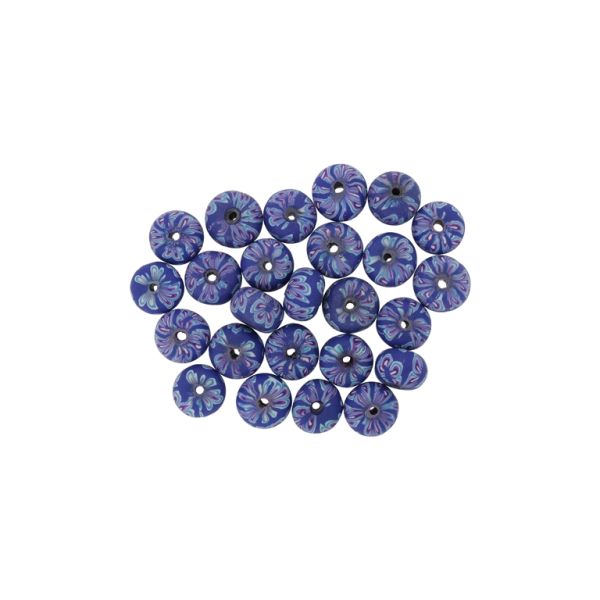 POLYMER CLAY FIMO BEADS - BALL FLAT - FLOWER 05 - 6x10mm BLUE (DARK)-BLUE-CYCLAMEN (DARK) - 50pcs. Hole-1.8mmCode: 0502000233-8Price: €1.02
In stock
-
POLYMER CLAY FIMO BEADS - BALL FLAT - FLOWER 05 - 6x10mm BLUE (DARK)-BLUE-CYCLAMEN (DARK) - PACKAGE 500pcs. Hole-1.8mmCode: 0502000233-1Price: €6.39
In stock
-
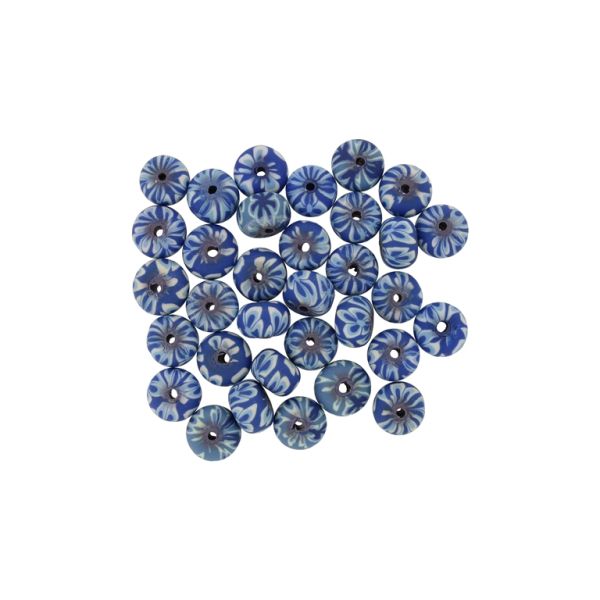
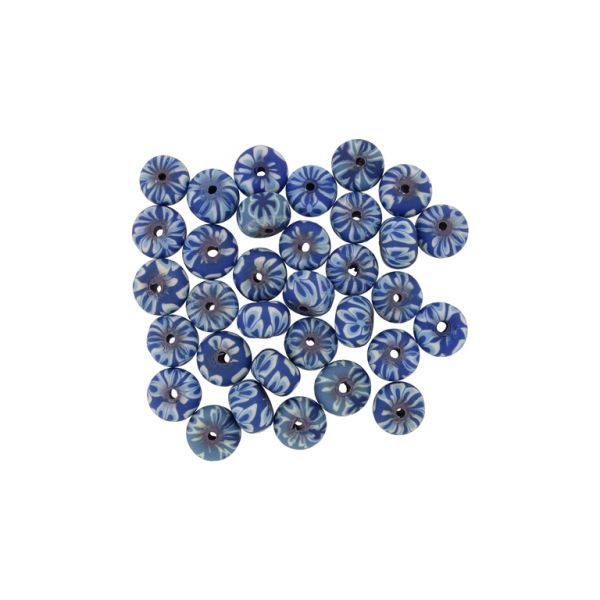 POLYMER CLAY FIMO BEADS - BALL FLAT - FLOWER 06 - 6x10mm BLUE (DARK)-BLUE (LIGHT)-WHITE - 50pcs. Hole-1.8mmCode: 0502000235-8Price: €1.02
In stock
-
POLYMER CLAY FIMO BEADS - BALL FLAT - FLOWER 06 - 6x10mm BLUE (DARK)-BLUE (LIGHT)-WHITE - PACKAGE 500pcs. Hole-1.8mmCode: 0502000235-1Price: €6.39
In stock
-
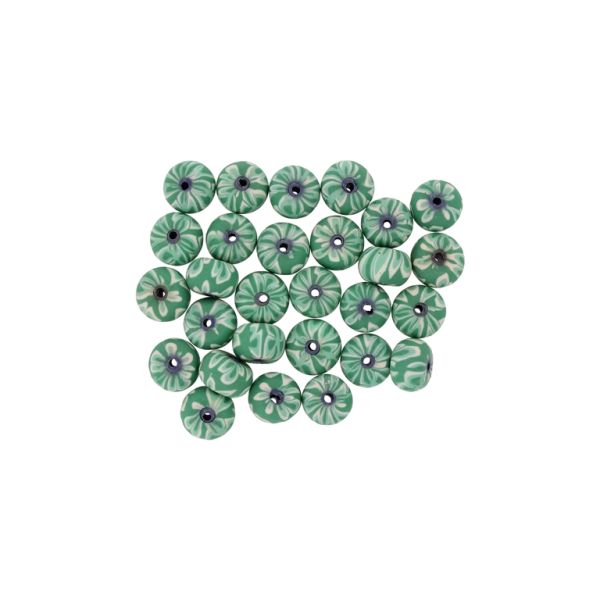
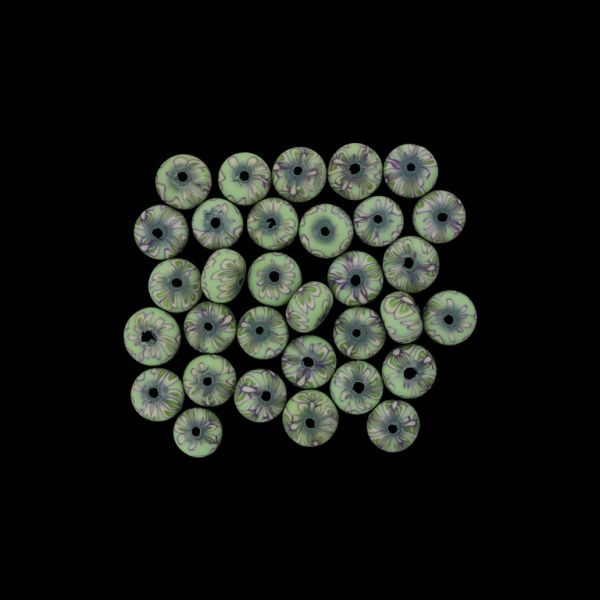
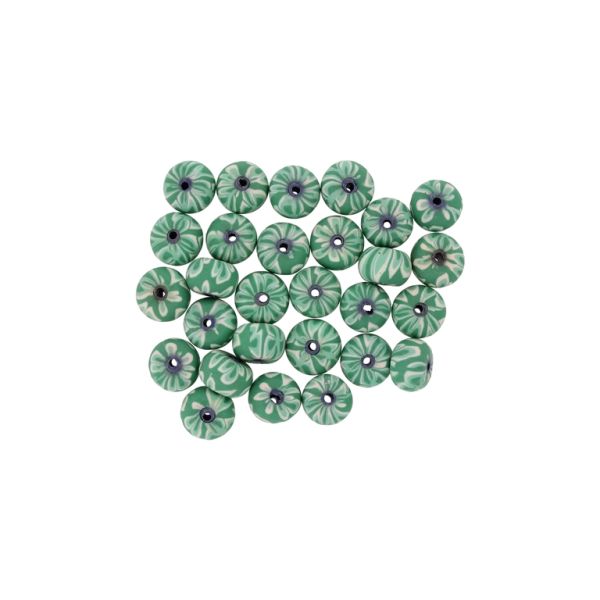 POLYMER CLAY FIMO BEADS - BALL FLAT - FLOWER 06 - 6x10mm GREEN-GREEN (LIGHT)-ECRU - 50pcs. Hole-1.8mmCode: 0502000234-8Price: €1.02
In stock
-
POLYMER CLAY FIMO BEADS - BALL FLAT - FLOWER 06 - 6x10mm GREEN-GREEN (LIGHT)-ECRU - PACKAGE 500pcs. Hole-1.8mmCode: 0502000234-1Price: €6.39
In stock
-
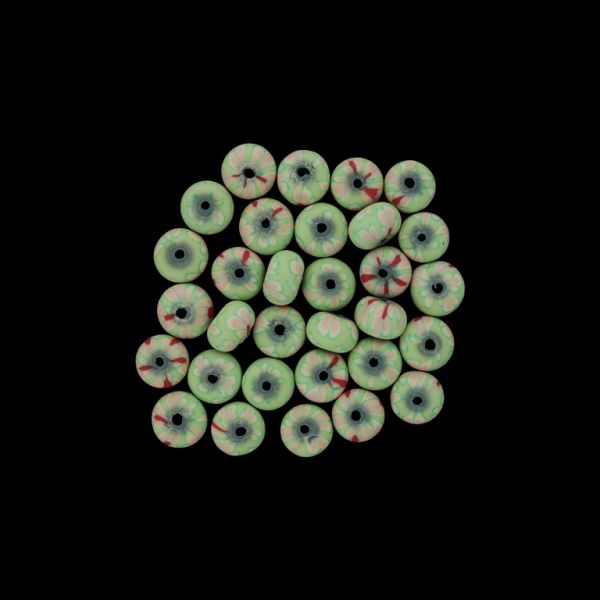
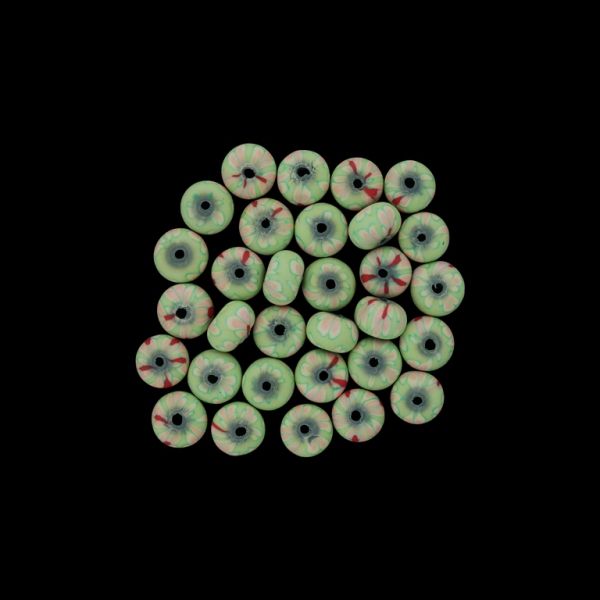 POLYMER CLAY FIMO BEADS - BALL FLAT - FLOWER 07 - 6x10mm GREEN (LIGHT)-PINK (LIGHT)-RED - 50pcs. Hole-1.8mmCode: 0502000236-8Price: €1.02
In stock
-
POLYMER CLAY FIMO BEADS - BALL FLAT - FLOWER 07 - 6x10mm GREEN (LIGHT)-PINK (LIGHT)-RED - PACKAGE 500pcs. Hole-1.8mmCode: 0502000236-1Price: €6.39
In stock
-
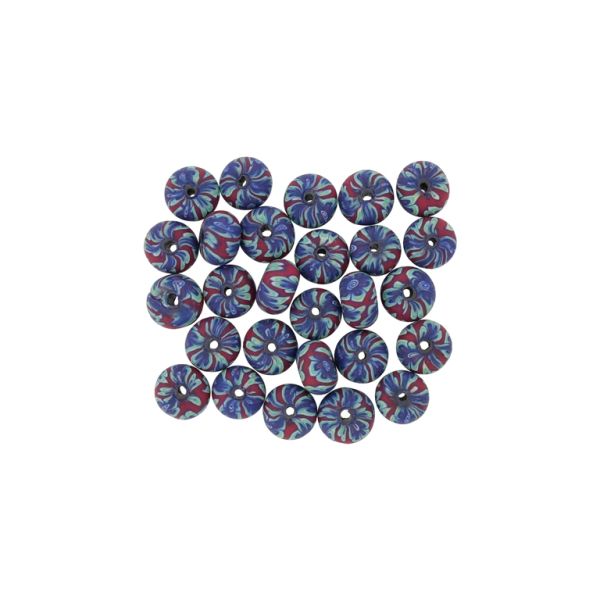 POLYMER CLAY FIMO BEADS - BALL FLAT - FLOWER 08 - 6x10mm RED (DARK)-BLUE (DARK)-GREEN (LIGHT) - 50pcs. Hole-1.8mmCode: 0502000237-8Price: €1.02
In stock
-
POLYMER CLAY FIMO BEADS - BALL FLAT - FLOWER 08 - 6x10mm RED (DARK)-BLUE (DARK)-GREEN (LIGHT) - PACKAGE 500pcs. Hole-1.8mmCode: 0502000237-1Price: €6.39
In stock
-
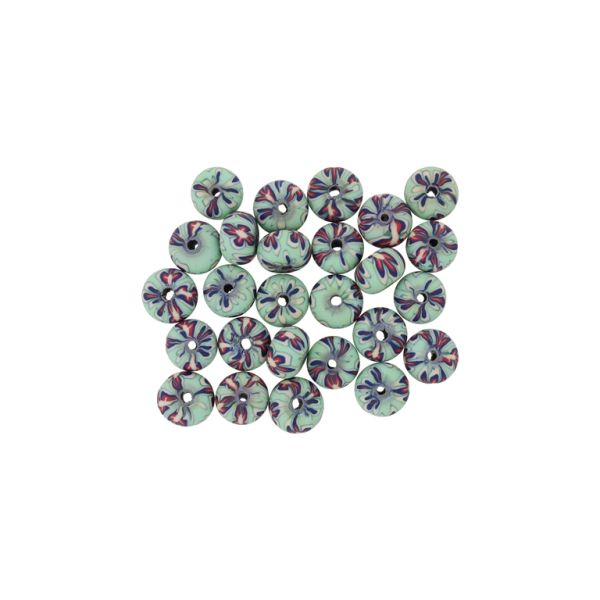
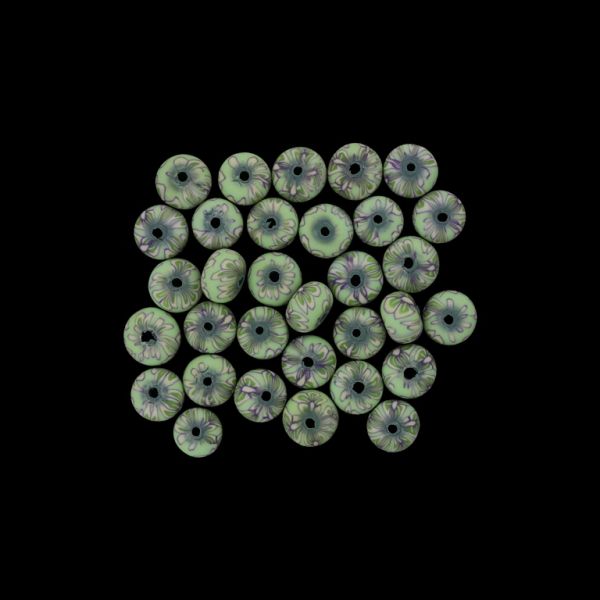 POLYMER CLAY FIMO BEADS - BALL FLAT - FLOWER 09 - 6x10mm GREEN (LIGHT)ECRU-PURPLE - 50pcs. Hole-1.8mmCode: 0502000238-8Price: €1.02
In stock
-
POLYMER CLAY FIMO BEADS - BALL FLAT - FLOWER 09 - 6x10mm GREEN (LIGHT)ECRU-PURPLE - PACKAGE 500pcs. Hole-1.8mmCode: 0502000238-1Price: €6.39
In stock
-
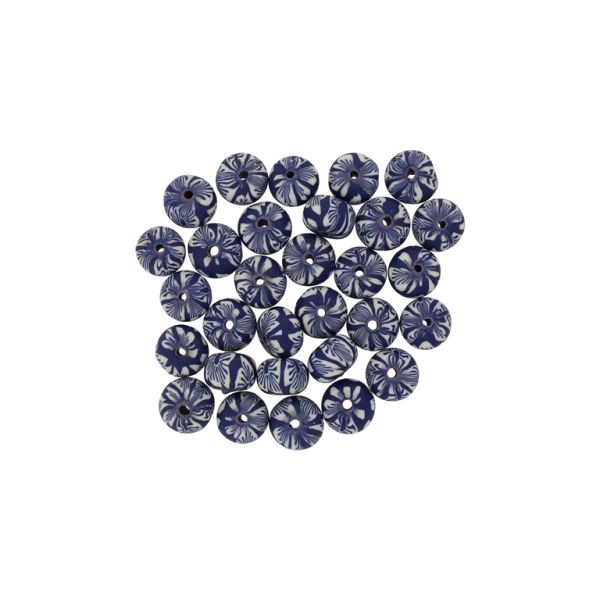
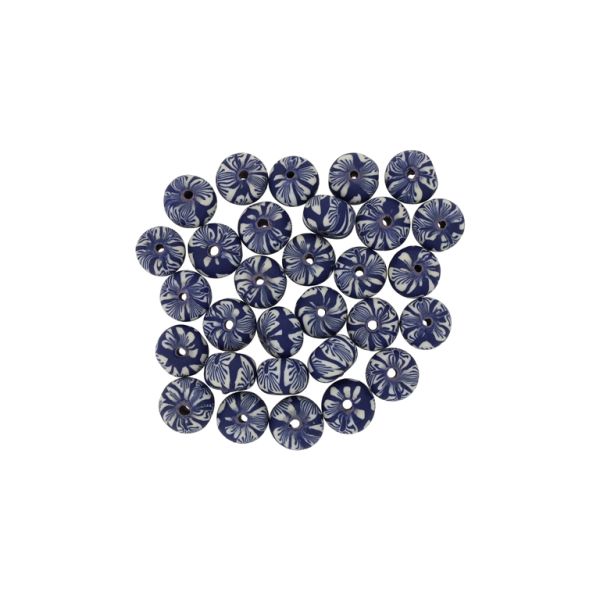 POLYMER CLAY FIMO BEADS - BALL FLAT - FLOWER 10 - 6x10mm BLUE (DARK)-WHITE - 50pcs. Hole-1.8mmCode: 0502000239-8Price: €1.02
In stock
-
POLYMER CLAY FIMO BEADS - BALL FLAT - FLOWER 10 - 6x10mm BLUE (DARK)-WHITE - PACKAGE 500pcs. Hole-1.8mmCode: 0502000239-1Price: €6.39
In stock
-
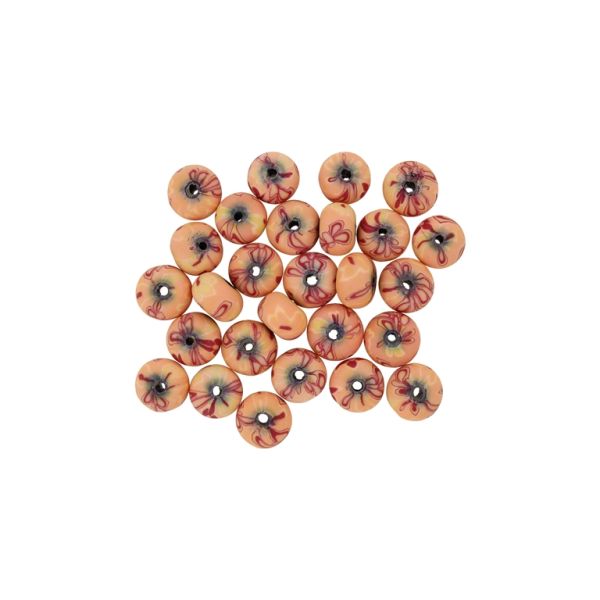 POLYMER CLAY FIMO BEADS - BALL FLAT - FLOWER 11 BUTTERFLY - 6x10mm ORANGE (LIGHT)-YELLOW-RED - 50pcs. Hole-1.8mmCode: 0502000240-8Price: €1.02
In stock
-
POLYMER CLAY FIMO BEADS - BALL FLAT - FLOWER 11 BUTTERFLY - 6x10mm ORANGE (LIGHT)-YELLOW-RED - PACKAGE 500pcs. Hole-1.8mmCode: 0502000240-1Price: €6.39
In stock
-
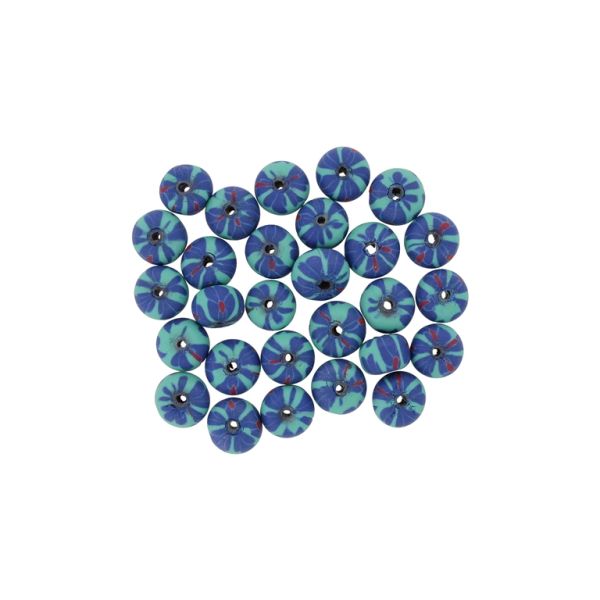 POLYMER CLAY FIMO BEADS - BALL FLAT - FLOWER 12 - 6x10mm TURQUOISE-BLUE (DARK)-RED - 50pcs. Hole-1.8mmCode: 0502000241-8Price: €1.02
In stock
-
POLYMER CLAY FIMO BEADS - BALL FLAT - FLOWER 12 - 6x10mm TURQUOISE-BLUE (DARK)-RED - PACKAGE 500pcs. Hole-1.8mmCode: 0502000241-1Price: €6.39
In stock
-
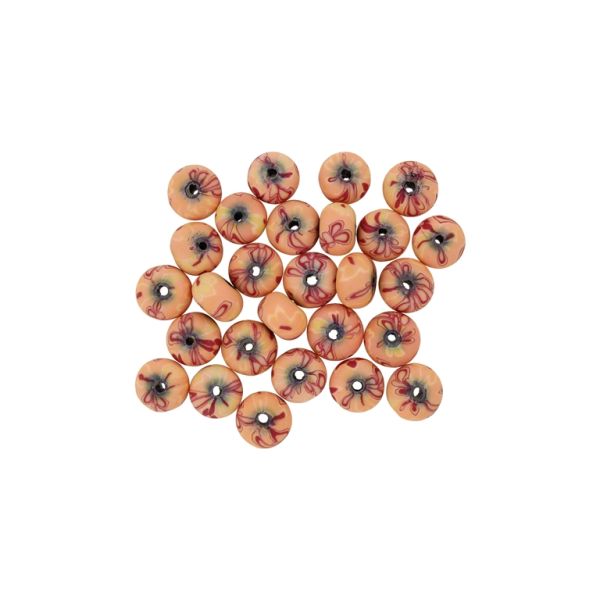
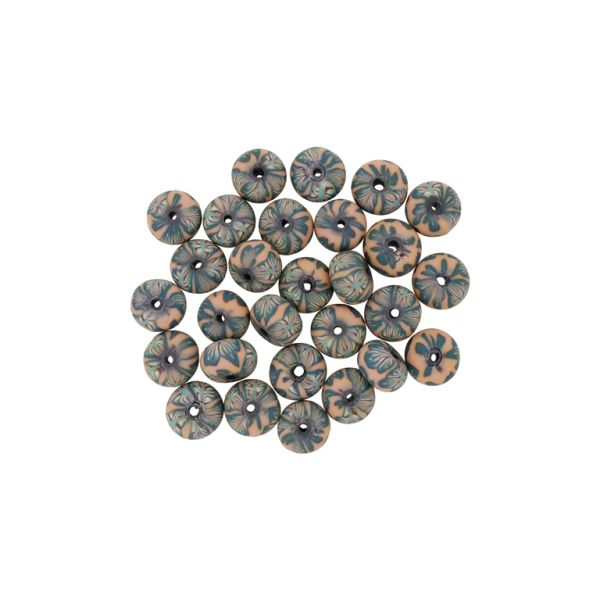
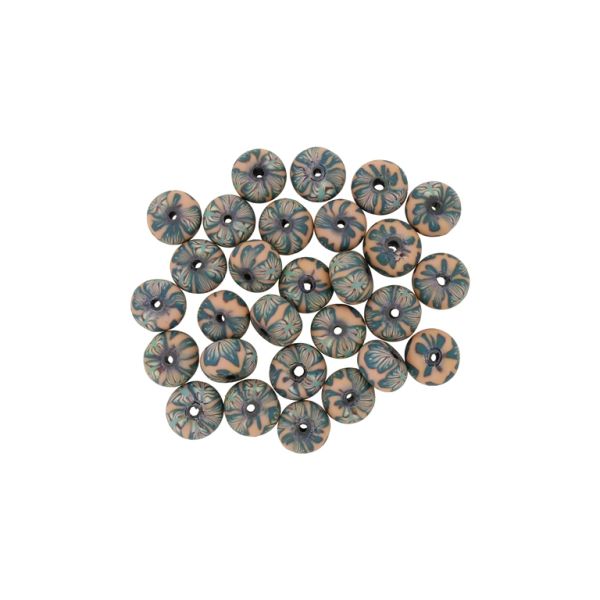 POLYMER CLAY FIMO BEADS - BALL FLAT - FLOWER 13 - 6x10mm PEACH (LIGHT)-PETROLEUM-BROWN - 50pcs. Hole-1.8mmCode: 0502000242-8Price: €1.02
In stock
-
POLYMER CLAY FIMO BEADS - BALL FLAT - FLOWER 13 - 6x10mm PEACH (LIGHT)-PETROLEUM-BROWN - PACKAGE 500pcs. Hole-1.8mmCode: 0502000242-1Price: €6.39
In stock
-
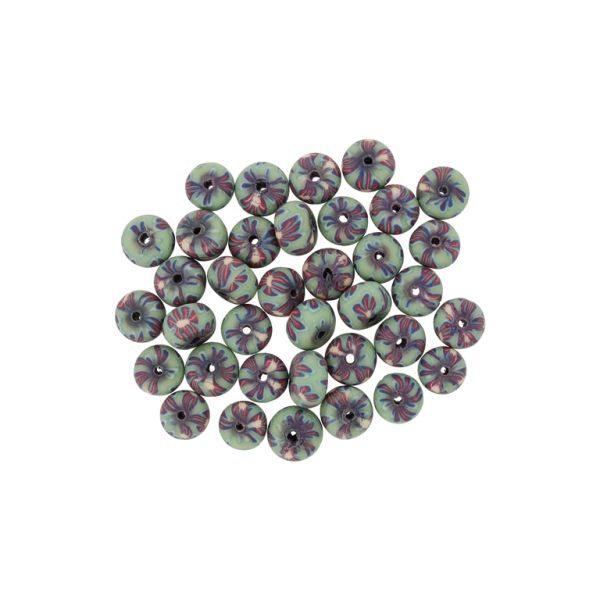
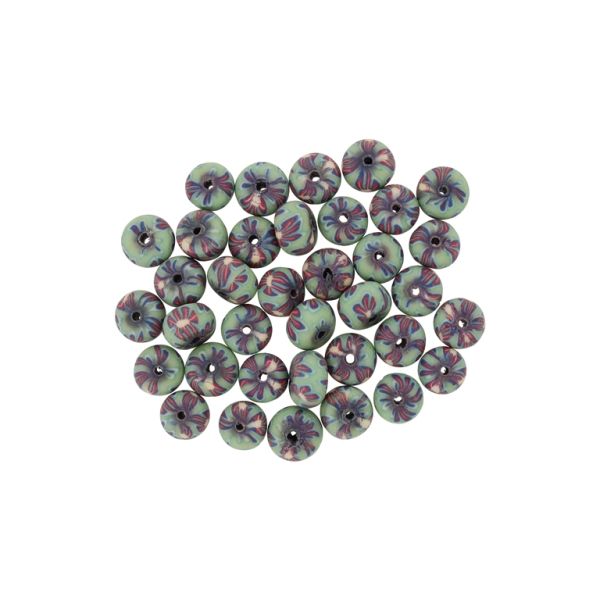 POLYMER CLAY FIMO BEADS - BALL FLAT - FLOWER 14 - 6x10mm GREEN (LIGHT)-RED-BLUE (DARK) - 50pcs. Hole-1.8mmCode: 0502000243-8Price: €1.02
In stock
-
POLYMER CLAY FIMO BEADS - BALL FLAT - FLOWER 14 - 6x10mm GREEN (LIGHT)-RED-BLUE (DARK) - PACKAGE 500pcs. Hole-1.8mmCode: 0502000243-1Price: €6.39
In stock
-
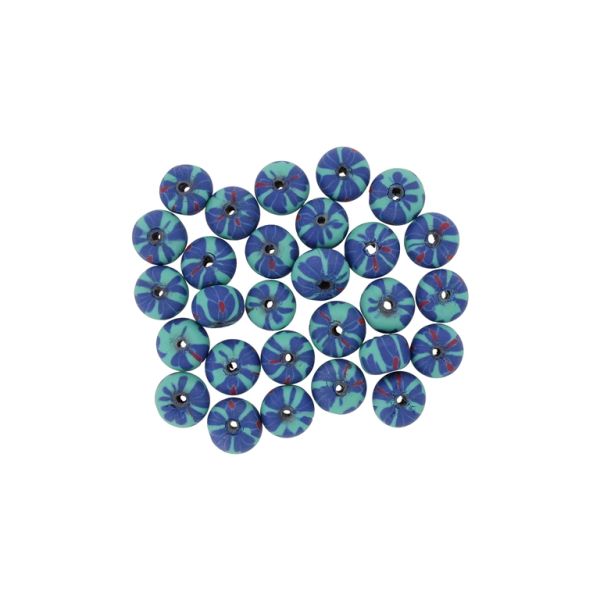
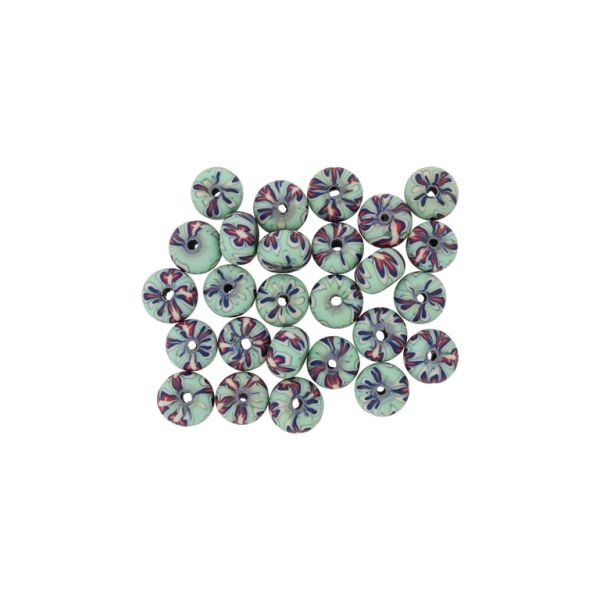 POLYMER CLAY FIMO BEADS - BALL FLAT - FLOWER 15 - 6x10mm TURQUOISE (LIGHT)-BLUE (DARK)-RED - 50pcs. Hole-1.8mmCode: 0502000244-8Price: €1.02
In stock
-
POLYMER CLAY FIMO BEADS - BALL FLAT - FLOWER 15 - 6x10mm TURQUOISE (LIGHT)-BLUE (DARK)-RED - PACKAGE 500pcs. Hole-1.8mmCode: 0502000244-1Price: €6.39
In stock
Bijuland is a wholesale bead and craft materials supplier based in Plovdiv, Bulgaria. The Polymer Clay Beads category (мъниста от фимо — manista ot fimo) covers pre-made polymer clay beads with a threading hole — within the Fimo and Polymer Clay section. Wholesale and retail purchase available, with shipping across Bulgaria and Europe.
What are polymer clay beads and how do they differ from Fimo pendants?
Polymer clay beads (мъниста от фимо — manista ot fimo) are pre-made bead elements formed from polymer clay — the same PVC-based modelling clay available under brand names such as Fimo (Staedtler), Sculpey, and Premo, known generically in Bulgarian craft as фимо (fimo) — shaped, baked at 110–130°C to harden permanently, and prepared with a threading hole through the body for stringing on cord, elastic, or beading wire. This threading hole is the defining feature that distinguishes polymer clay beads from Fimo pendants, which are fitted with a bail or loop for hanging rather than a stringing hole. Polymer clay beads can be strung alongside other bead types on a bracelet or necklace strand — used as focal beads, accent beads, or as a complete all-clay strand. Their surface decoration varies widely: millefiori cane-slice patterns (where patterned clay canes are sliced to reveal a repeating cross-section design), marbled mixed-colour effects, hand-sculpted surface textures, painted or stamped patterns, and simple smooth colour. Polymer clay beads are significantly lighter than glass beads of equivalent size, making them well suited to large beads in earrings and bracelets where glass would cause discomfort.
How are polymer clay beads used in jewellery?
Polymer clay beads are used in jewellery where a handcrafted, artisan, or design-forward aesthetic is the intention — their slightly matte, warm surface quality and the visible evidence of hand-forming (even in commercially produced pieces) gives polymer clay jewellery a distinctly artisan character that mass-produced glass or acrylic beads cannot replicate. In bracelets, polymer clay beads are strung on elastic or cord alongside complementary bead types — wood beads, natural stone, or glass — where the clay's warm, matte surface provides material contrast. In necklaces, larger polymer clay beads serve as statement focal elements. Millefiori polymer clay beads — featuring the repeating cross-section pattern of stacked coloured clay canes — are among the most recognisable polymer clay bead types, associated with Venetian glass mosaic patterns adapted into clay. The pre-made format means no clay work or baking is needed — these are ready-to-string beads. Bijuland ships from Plovdiv, Bulgaria and supplies jewellery makers, craft studios, and craft supply resellers across Bulgaria and Europe.